✓
Inspection-led sampling plan
We do not guess where to sample. The inspection drives whether air, surface, or targeted moisture checks make the most sense for your situation.
Serving New Orleans, Louisiana & surrounding areas
Get a clear, documented picture of what is in your air and where it is coming from, with an on-site inspection and lab-tested samples that support your next steps.
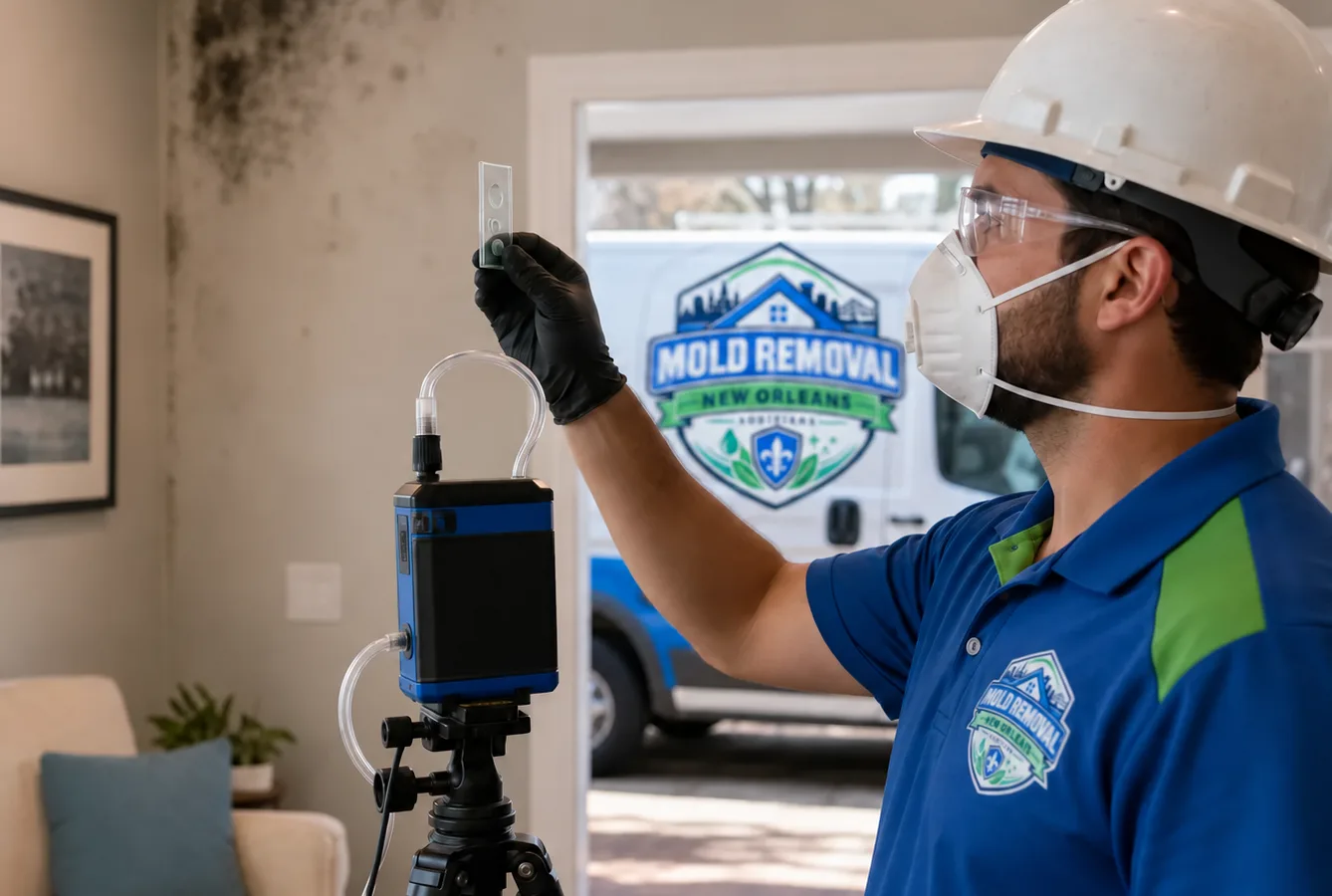
If you are searching for Mold Testing Metairie, you are usually trying to answer one practical question: is this a mold problem, and if so, how big is it?
Testing makes sense when you have a musty odor, visible growth that keeps coming back, recent water intrusion, or health concerns that seem tied to time indoors. It is also common before buying or renting a property, after a roof or plumbing leak, or when a building has been closed up in humid conditions.
Our goal is not to sell you on a bigger project. It is to give you defensible information: what was observed on site, where samples were collected, what the lab reported, and what those results mean in plain language so you can decide what to do next.
A good test starts with a good inspection. We begin by walking the property with you, focusing on areas that commonly trap moisture in this part of the Greater New Orleans area: bathrooms, laundry rooms, HVAC closets, under-sink cabinets, around windows, and any room that has had past leaks.
During Mold Testing Metairie appointments we typically use a mix of methods, based on what we find:
You will receive clear documentation of sampling locations and the lab findings. Results are used to guide next steps, like targeted cleanup, drying and dehumidification strategies, or deciding whether additional investigation is needed behind finishes.
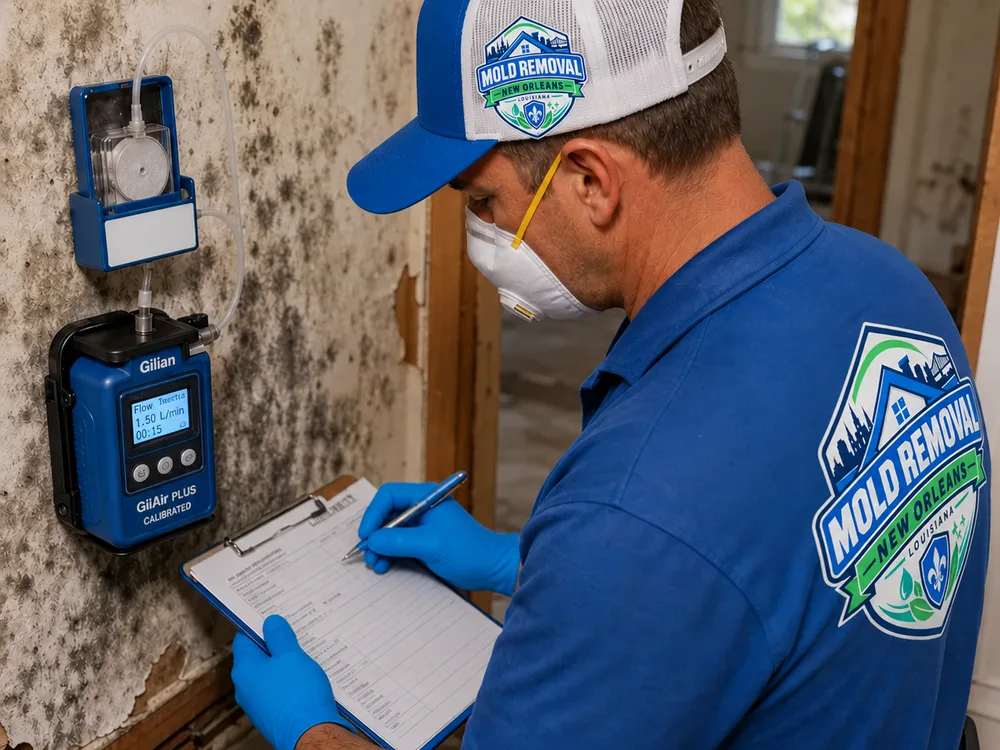
We do not guess where to sample. The inspection drives whether air, surface, or targeted moisture checks make the most sense for your situation.
Samples go to a qualified laboratory so you have a report you can share with a landlord, buyer, property manager, or contractor if needed.
You get context on what was found, what is typical outdoors, and which areas are most likely tied to the moisture source.
We explain what to do next based on findings, including when cleaning is enough and when further containment or material removal may be warranted.
Testing can be scoped for a single room, a full home, or an occupied business where minimizing disruption matters.
Metairie properties deal with long stretches of heat and humidity, and that changes how mold problems show up. Moisture does not have to come from a dramatic flood event. Slow sources like intermittent HVAC drain line issues, condensation around supply boots, bathroom exhaust that does not vent well, or small plumbing leaks can keep building materials damp enough for growth.
Testing also needs to reflect how buildings are used. In areas like Old Metairie, where homes may have been renovated in phases over decades, we often see mixed materials and older cavities that make it harder to know where moisture is traveling without checking. In neighborhoods such as Fat City and other apartment-heavy corridors, shared walls and stacked plumbing can mean symptoms appear in one unit while the source is next door or above. Around Lakeside and other busy commercial pockets, we frequently test small offices and retail suites where an after-hours HVAC setback can allow humidity to rise when the space is closed.
Because Metairie sits next to Lake Pontchartrain and the area sees frequent heavy rain, we pay close attention to building envelope clues: window and door staining, baseboard swelling, and recurring odors after storms. Those details influence where we sample and what we recommend after results come back.
An on-property assessment establishes what should be sampled, where samples should be taken, and how the results can support practical decisions.
Book Your Free InspectionWe ask what you are noticing—odor, visible growth, a recent leak, or symptoms—and which rooms are most affected so we can plan sampling efficiently.
We walk the property, check likely moisture pathways, and document conditions that can influence results, such as active fans, open windows, or recent cleaning.
We collect the right mix of air and surface samples for the situation, label them, and record locations so your lab report ties back to real decision points.
The lab identifies and counts, as applicable, spore types in the samples. You receive the findings in writing with the sampling map and notes.
We explain what the results mean for your building and outline practical options, whether that is correcting a moisture issue, cleaning, or planning professional remediation.
Mold testing in Metairie typically ranges from about $250 to $750 for many homes, depending on how many samples are needed and how large the property is. A basic visit with a small number of air and/or surface samples is usually at the low end, while multi-room testing or larger homes and commercial spaces trend higher.
Final pricing depends on the number and type of samples, access to suspect areas such as attics or tight crawlspaces, whether moisture mapping is needed, and how much documentation you want for a real estate or tenant situation. Exact cost is confirmed after we review your concerns and sampling plan at the inspection.
Scheduling often depends on current demand, but we prioritize situations tied to active leaks, recent water intrusion, real estate timelines, and businesses with indoor air concerns. Share your timeline and whether the space is currently occupied so we can recommend the quickest realistic slot.
Air testing indicates what is present in the breathing zone and whether indoor conditions differ from an outdoor baseline, but it does not pinpoint the exact source by itself. That is why we pair air sampling with an inspection and, when appropriate, targeted surface sampling in the most suspect areas.
Keep the home in normal living conditions for at least several hours before we arrive, and avoid airing out the space right beforehand. In Metairie's humid climate, wide-open windows can temporarily change the indoor spore mix and humidity level, which can skew what the samples represent.
Yes. Single-room testing is common when symptoms are isolated or when you want to confirm whether a visible spot is likely mold and whether the room's air is impacted. We usually recommend at least one comparative sample—another indoor area or an outdoor baseline when possible—to make the result more meaningful.
Not always. Next steps depend on where growth is, what materials are affected, how widespread it is, and whether a moisture source is still active. If results point to a larger issue, we can outline what professional containment and removal typically involves; broader mold removal in New Orleans work is usually planned around fixing moisture first so the problem does not return.
Recent cleaning can reduce what is visible and may affect some surface samples, but it does not fix moisture inside materials and it may not change what is in the air if the source remains. Tell us what you used and when you cleaned so we can choose the most informative sampling approach.
Tell us what you are seeing—odor, stains, a recent leak, or a specific room of concern. We will recommend a sensible Mold Testing Metairie scope and provide lab-backed results you can use to plan your next step.