✓
A sampling plan tied to your concern
We choose sample locations and sample types based on the complaint—odor, a recent leak, visible spotting, or post-repair verification—not a one-size checklist.
Serving New Orleans, Louisiana & surrounding areas
If you are dealing with musty odors, water damage, or allergy-like symptoms indoors, we collect defensible samples and deliver clear results so you can decide what to do next with confidence.
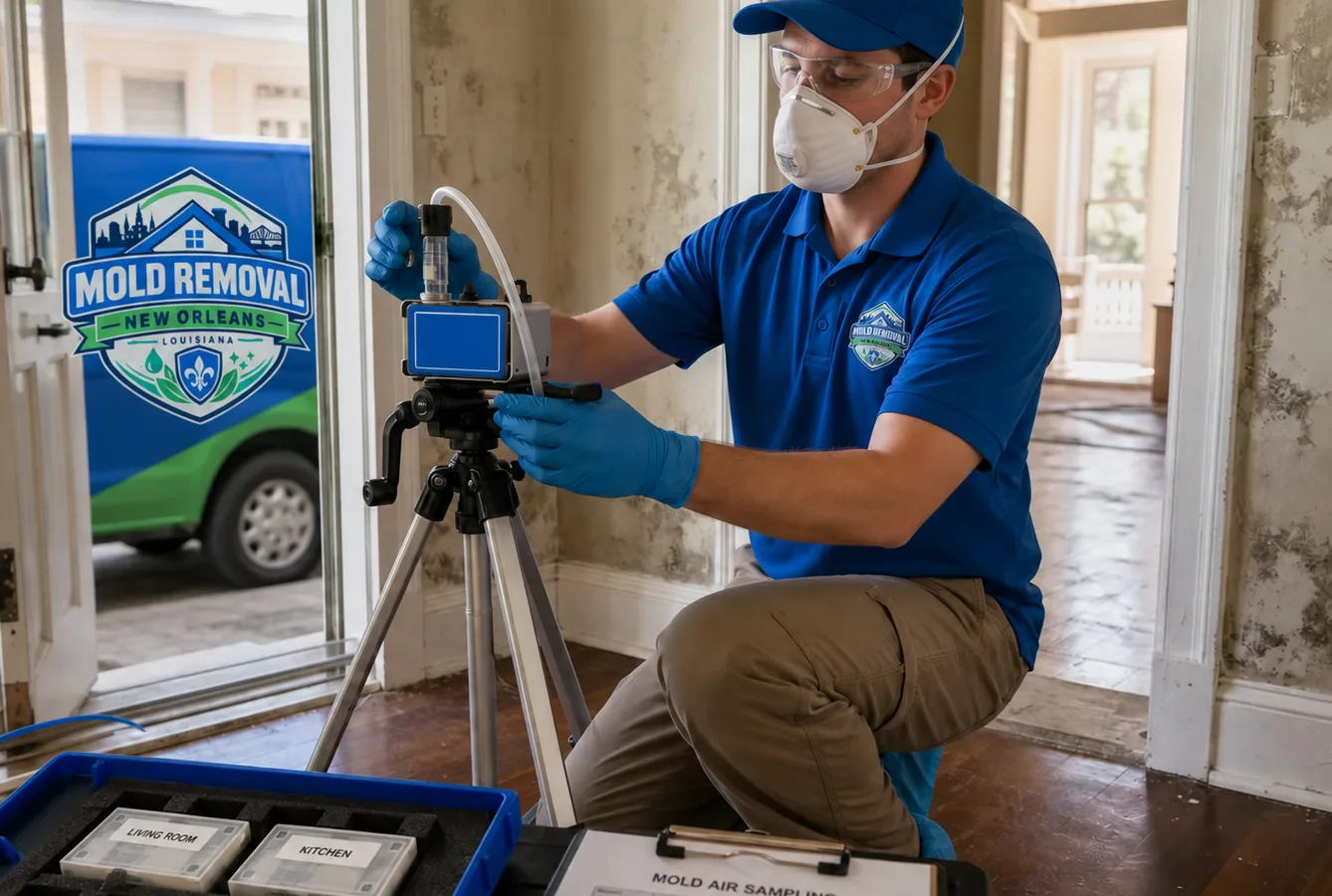
Most people book air quality testing when something changes in the house: a damp smell that will not go away, a roof or plumbing leak, visible staining, or family members feeling worse indoors than outdoors. In New Orleans, high humidity and frequent rain can keep building materials damp long enough for microbial growth to develop out of sight.
You will get the most useful answers when testing is tied to a question you actually need to solve. Examples:
Mold Removal New Orleans focuses on actionable results. We explain what we sampled, why we sampled it, what the lab report means in plain language, and what the realistic next steps are if results point to an indoor source.
A good testing visit looks at the whole moisture picture, not only one number on a report. Depending on the concern, testing usually combines several of the following:
Many Uptown and Carrollton homes include older assemblies and layered renovations that can hide slow leaks. Condos in the Central Business District and Warehouse District often share walls and mechanical spaces, where odors and air movement can make the source harder to pinpoint. We plan sample locations around how you use the space and where moisture is most likely to linger.
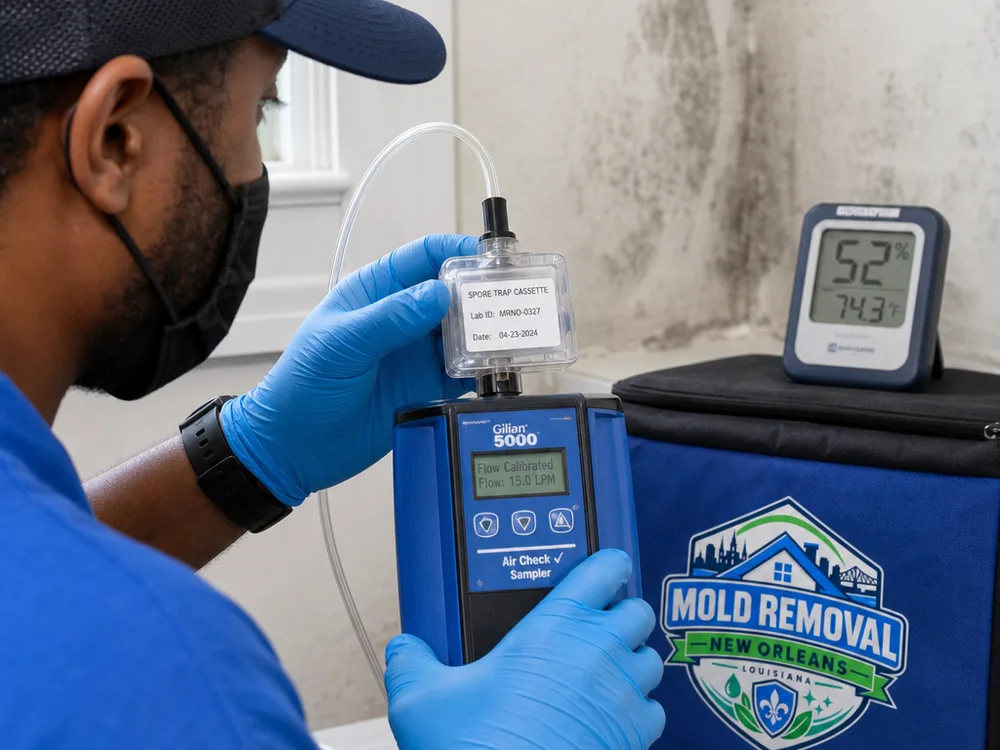
We choose sample locations and sample types based on the complaint—odor, a recent leak, visible spotting, or post-repair verification—not a one-size checklist.
Samples are labeled, documented, and sent to an accredited lab for analysis so your report has a clear paper trail.
We explain what the indoor versus outdoor comparison suggests, what the results can and cannot prove, and what to do next.
Air results make more sense when paired with humidity and moisture screening that identifies where conditions support growth.
You receive written results you can share when decisions involve multiple parties, such as rentals, HOAs, or a real estate transaction.
An on-property assessment helps establish the moisture context, the right sample locations, and a reliable testing scope.
Book Your Free InspectionYou tell us what you are seeing or smelling, which areas are affected, and whether there was a known leak or repair. We schedule around occupancy and access needs.
We walk the affected areas, note building conditions, and check humidity and materials for elevated moisture so sampling targets the most likely source zones.
We collect the right sample types for the situation, including an outdoor reference when air sampling is performed, and document locations and conditions.
When the report is ready, we review it with you, explain what stands out, and answer practical questions about occupants, pets, and next steps.
If results suggest an indoor amplification source, we outline the likely moisture driver and options to address it. We can also explain what a responsible broader mold plan looks like without pressuring you into work.
Air quality testing in New Orleans typically ranges from about $250 to $750 for common residential testing, depending on how many air samples are collected and whether surface sampling or additional rooms are included. A basic visit might include 2 to 3 air samples plus an outdoor control, while larger homes or multi-room concerns can require more sampling.
Your final price depends on sample count, access to occupied rooms, attics, or crawlspaces, whether there was recent cleaning or HVAC changes, and how much moisture investigation is needed to interpret results. Exact pricing is confirmed when we define the sampling plan for your situation.
If you want answers you can act on, start by describing what changed in the home and which rooms are affected. We will recommend a sampling approach that fits the question you are trying to solve.
Scheduling depends on current demand and the urgency of the situation, but we prioritize active moisture issues and time-sensitive situations like real estate deadlines. If you recently had water intrusion or the smell is getting stronger, share that during intake so we can plan appropriately.
Yes, when indoor air sampling is performed, an outdoor control sample is typically collected the same day because it helps interpret what is normal for current conditions. In a city with frequent humidity swings and storm-driven changes, the outdoor comparison keeps the report grounded in what was in the air during your visit.
Air testing can indicate whether a room has an indoor source contributing to spores, but it does not pinpoint the exact location by itself. That is why we pair sampling with a visual assessment and moisture meter screening, then recommend targeted next steps if the data suggests an indoor amplification source.
In most cases, run the home the way you normally do so the results reflect typical living conditions. If you have been shutting the system off because of an odor, tell us; we can advise how to handle HVAC operation before sampling so results are interpretable.
Avoid heavy cleaning, using strong disinfectants, fogging, or running air purifiers right before sampling because those can temporarily change airborne levels and make results harder to interpret. If any of that already happened, it is not a deal-breaker; we document it and adjust the sampling plan.
Yes, targeted room testing is common, especially when symptoms or odors are tied to one space. In older New Orleans homes with tight closets on exterior walls or rooms over crawlspaces, moisture conditions can vary significantly room to room, so focused sampling can be the fastest way to get clarity.
Yes, you receive written results that document sample locations, types, and lab findings, along with an interpretation tied to the concern you reported. That format is useful when multiple parties need to agree on next steps.
If results point to an indoor source, the next step is usually confirming the moisture driver and likely building materials involved so the fix addresses the cause, not only the symptom. If you are considering a full mold inspection, we can coordinate that approach and keep the scope focused.
Tell us what you are noticing and where it is happening. We will recommend a practical testing plan, schedule promptly, and explain the results in plain language so you can decide on the next step.