✓
Clear, written findings
You receive a plain-language summary of what was observed, where, and why it matters, backed by photos so you can track locations and conditions.
Serving New Orleans, Louisiana & surrounding areas
If you smell a musty odor, see staining, or have had a leak, an inspection gives you clear answers. We document where mold is likely growing, what moisture is feeding it, and what to do next with straightforward reporting you can use.
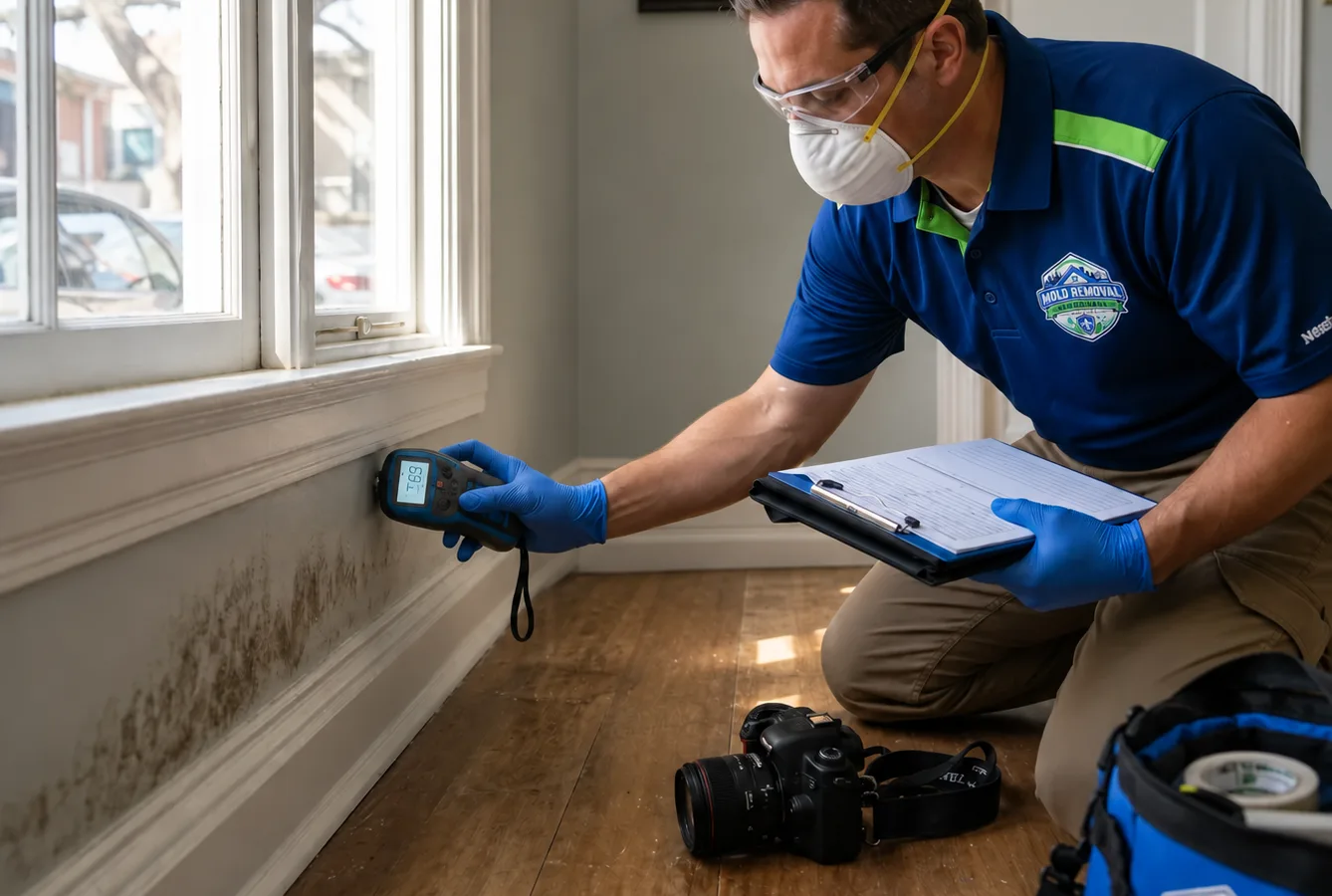
A Mold Inspection Metairie appointment should do more than confirm that something looks suspicious. It should answer three practical questions: where the growth is, why it is happening, and what scope of work is reasonable before anyone starts tearing into walls.
In Metairie, mold concerns often follow everyday moisture events: a roof leak after heavy Gulf Coast rain, an HVAC drain line backing up, a slow plumbing leak under a sink, or humidity problems in closets and back bedrooms with limited airflow. Add slab foundations and enclosed wall cavities, and you can end up with hidden moisture that does not show until odor, bubbling paint, warped trim, or allergy-like symptoms push you to investigate.
Our inspections are built around field evidence you can act on: visual findings, moisture mapping, photo documentation, and a written summary that points to the most likely sources. When appropriate, we also discuss whether sampling makes sense for your situation and how to interpret results without overreacting to a lab report.
Mold needs moisture. That is why the inspection starts with identifying where water is getting in or where humidity is staying trapped.
Typical inspection elements include:
If you are also weighing what happens after the inspection, our team at Mold Removal New Orleans can explain how findings typically translate into a practical plan, but the inspection itself stays focused on identifying conditions and documenting them clearly.
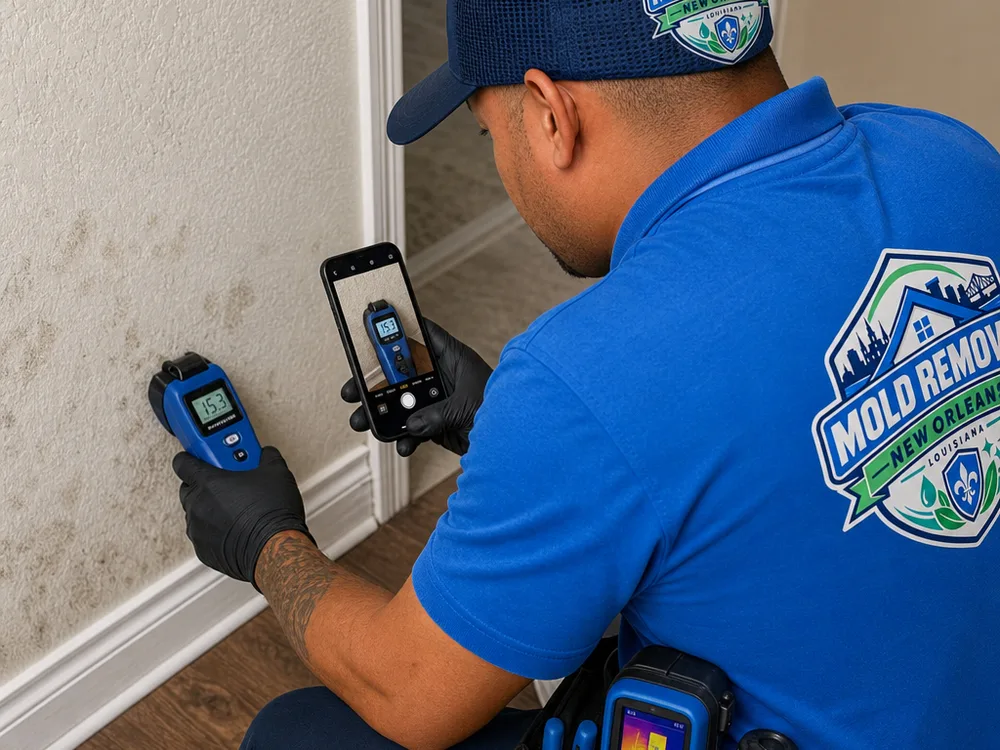
You receive a plain-language summary of what was observed, where, and why it matters, backed by photos so you can track locations and conditions.
We look for elevated moisture in materials and patterns that explain the problem, because mold cleanup without moisture control often leads to repeat issues.
We outline reasonable next steps based on what we can confirm: drying, targeted opening of finishes, repairs to the moisture source, and whether sampling is worth it.
We can talk through practical containment and scheduling considerations when people need to stay in the property or keep operations running.
Inspection notes and photos help when you are planning a repair, coordinating with a property manager, or building a record for an insurance claim discussion.
An on-property assessment establishes the likely source, affected areas, documentation needs, and a practical next-step plan.
Book Your Free InspectionWe start with what you have noticed—odor, visible spotting, past leak locations, recent repairs, or AC performance—and which rooms worry you most so inspection time is spent where it matters.
We inspect accessible areas, check likely moisture pathways, and take readings where materials commonly stay damp: around tubs and showers, under sinks, at exterior wall corners, and near HVAC condensate points.
Before we leave, we walk you through what we observed, what looks like active moisture versus old staining, and what the practical priorities are.
You receive a report with photos and notes identifying suspect areas, probable moisture sources, and recommended next steps. If sampling was performed, we explain how to read the results in context.
Most mold inspections in the Metairie area typically range from about $250 to $650, depending on the size of the property and how many areas need moisture mapping and documentation. A small, focused inspection—one room or a single concern—often falls on the lower end, while larger homes, multi-unit properties, or inspections that include multiple potential sources take more time.
Pricing changes with access, including attics, crawl areas, and tight HVAC closets; how far the concern has spread; and whether sampling is requested. The exact cost is confirmed when we schedule and again at the inspection after we understand the scope.
Metairie sits next to New Orleans and shares the same humid, rain-prone conditions that keep indoor moisture management important year-round. During a Mold Inspection Metairie visit, we often find the issue is not dramatic flooding. It is routine water and air movement that stays unnoticed.
Common patterns include:
If you are preparing for a real estate decision, an inspection can also help separate cosmetic staining from conditions that suggest ongoing moisture, which is usually what drives risk and repair cost.
“We had a musty smell that came and went, and I did not want to start cutting into walls. The inspection pointed to a damp area near the AC closet and showed moisture readings that explained the odor. The report was clear and easy to share with our contractor.”
“They were straightforward about what they could confirm and what needed additional access. The photos and notes helped us prioritize the repair and stop the moisture source first.”
Most inspections take about 60 to 120 minutes on site, depending on property size and how many areas need moisture checks. If there is a specific concern, such as one bedroom wall or a single bathroom, it can be faster; whole-home inspections and complex moisture tracing take longer.
Testing is optional, and it is most useful when you need documentation, mold is suspected but not visible, or you are comparing indoor and outdoor conditions. If there is obvious growth and a clear moisture source, moisture mapping and a plan to fix the cause may provide more value than a lab report alone.
We can identify strong indicators of hidden mold by combining odor observations, moisture readings, and thermal imaging patterns, but we cannot confirm what is inside a sealed cavity without access. When indicators point to a wall or ceiling section, we explain the smallest targeted opening that typically confirms conditions while limiting unnecessary damage.
Leave affected areas as-is, avoid heavy cleaning with bleach or strong antimicrobials right beforehand, and note any recent leaks, AC issues, or plumbing work. If safe, keep the HVAC operating normally so we can evaluate moisture behavior under typical living conditions.
An inspection report can support a claim conversation by documenting observed conditions, likely moisture sources, and photos of affected areas, but coverage depends on the cause of loss and your policy. If you have a recent, sudden water event, early documentation usually helps more than waiting until staining spreads.
Yes. Commercial inspections often focus on tenant build-outs, break rooms and restrooms, HVAC and condensate management, and any history of roof or plumbing leaks. We can schedule to reduce disruption and document findings in a format that is easy to share with property management.
Tell us what you are seeing and where it is happening. We will schedule a Mold Inspection Metairie visit, document the conditions, and help you understand the next step that actually addresses the moisture source.